
How the Internet Drowned in Infinite AI Videos
Dec 8, 2025
The internet is drowning in endless AI-generated videos that blur reality, erode attention, and leave viewers exhausted—learn how to spot and resist the flood.
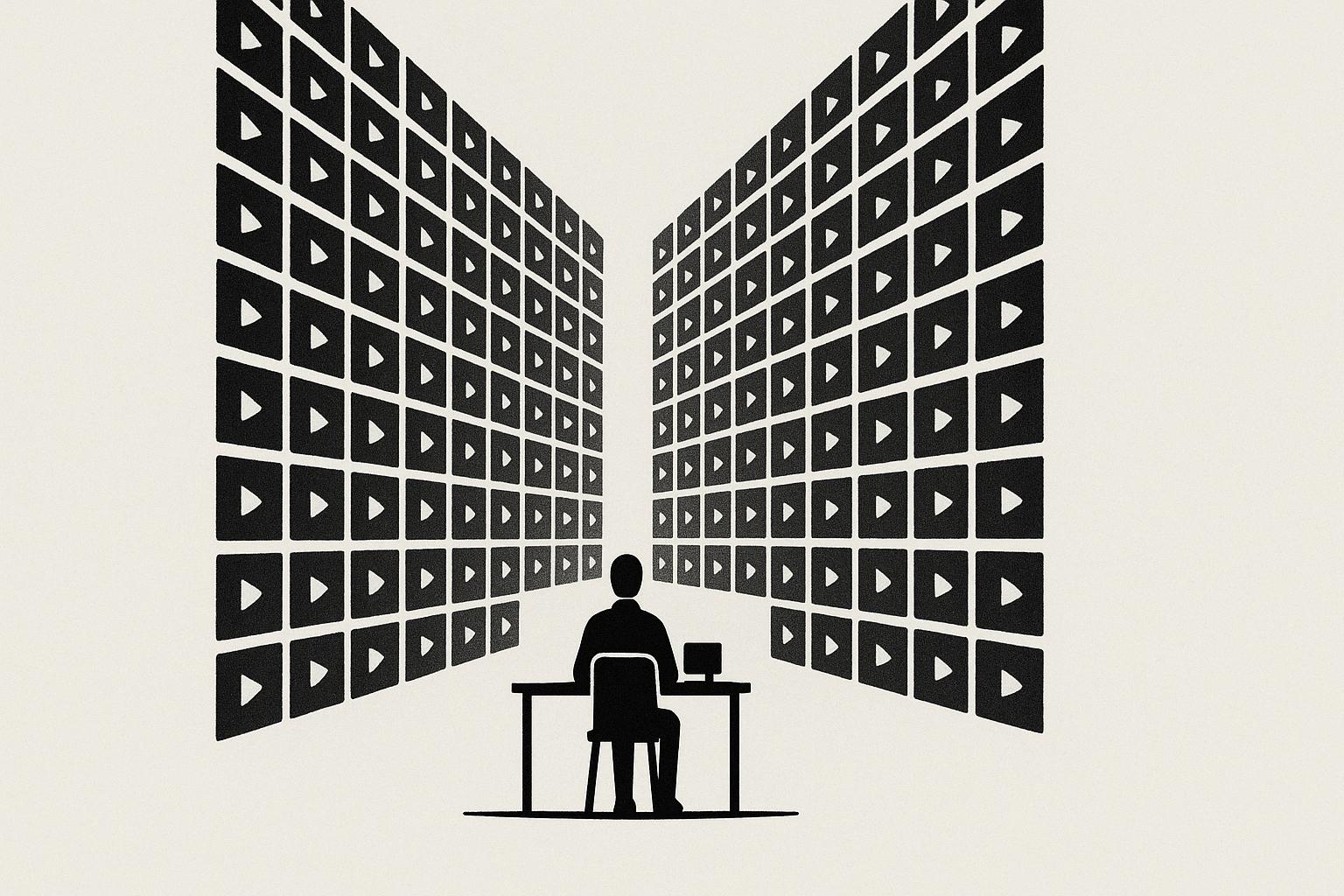
The internet in 2025 is flooded with AI-generated videos, reshaping how people consume content. Tools like text-to-video and image-to-video generators now allow anyone to create videos in seconds, bypassing traditional production hurdles. While this accessibility has democratized content creation, it has also overwhelmed platforms with synthetic media that's increasingly hard to distinguish from human-made content. The result? A constant stream of videos that demand attention but often leave users mentally drained, skeptical of online information, and stuck in a cycle of compulsive scrolling.
Key points:
AI video tools: Generate realistic videos from text or images in minutes.
Massive growth: Social media platforms are flooded with AI content, often mistaken for real.
Challenges: Eroded trust in digital content, shorter attention spans, and mental fatigue.
Solutions: Mindful viewing habits, setting time limits, and learning to spot AI-generated videos.
To navigate this new reality, users must adopt intentional media habits and tools like Pausa to track and reflect on their consumption patterns.
AI Slop Is Destroying The Internet
The Impact of Infinite AI Video on People
Infinite AI-generated videos are transforming digital media, and their effects on how we think, feel, and trust online content are hard to ignore. While the technology is still evolving, certain concerns about its influence on our minds and emotions are already coming to light.
Shorter Attention Spans and Compulsive Scrolling
With platforms offering an endless stream of AI-generated clips, users are often caught in a cycle of rapid, brief interactions. The constant flow of fresh content, combined with the lack of clear stopping points, makes it harder for people to focus on longer videos or articles. Over time, this fragmented way of consuming media may chip away at our ability to concentrate deeply. On top of that, the quick, surface-level engagement can erode trust in online content, as users struggle to connect with it meaningfully.
Eroding Trust in Digital Content
As AI-generated media becomes more advanced, telling the difference between real and synthetic content is becoming a challenge. This blurred line between reality and fabrication leaves many questioning the credibility of what they see online. The uncertainty can make people skeptical of even seemingly trustworthy visual evidence, adding another layer of emotional strain as they navigate the digital world.
Mental Overload and Emotional Fatigue
The relentless stream of AI videos demands constant attention and mental effort, which can lead to information overload and decision fatigue. Many of these videos are designed to trigger instant emotional reactions, which, while effective for engagement, can leave viewers feeling drained. Late-night scrolling through endless, emotionally charged clips only adds to the problem, often disrupting sleep and contributing to a cycle of exhaustion.
How to Navigate AI-Generated Media
In a world overflowing with AI-generated videos, it’s easy to feel overwhelmed. But regaining control over your media habits doesn’t mean you need to swear off technology or take drastic steps. Small, deliberate changes in how you engage with this content can help reduce mental fatigue and sharpen your focus.
Set a Purpose Before Watching
Before you hit play, ask yourself: why am I here? Are you looking to learn something specific? Taking a mental break? Or just killing time? This simple question can stop you from falling into the endless scrolling trap.
Having a clear purpose acts like a personal agreement with yourself. For example, if you’re opening a video app to learn about a particular topic, write it down or say it out loud. Once you’ve watched content that aligns with your goal, you’ll have a natural stopping point.
Intentional viewing means you’re actively deciding what to watch based on your needs or interests. On the flip side, passive viewing hands that control over to the algorithm - and algorithms are designed to keep you watching, often serving up content you didn’t plan to see. AI-generated videos thrive on passive consumption, pulling you deeper into the feed without requiring meaningful engagement.
Next time you feel the urge to watch a video, pause for 10 seconds. Ask yourself what you really need in that moment. If you’re tired, maybe rest is a better choice. If you’re bored, consider doing something more fulfilling than scrolling. This small pause can break the automatic cycle of compulsive viewing.
Once you’ve clarified your purpose, it’s easier to set boundaries.
Set Time Limits for Video Watching
Time limits are your best defense against endless content. Without them, it’s easy to lose hours to videos, thanks to algorithms designed to maximize your watch time. Setting a timer before you start watching creates a clear stopping point - something the infinite scroll intentionally lacks.
Take advantage of screen time tools built into your devices. Start with a realistic daily limit, like 30 or 45 minutes, and let the app lock itself when time’s up. These external boundaries can help when willpower alone isn’t enough.
Another strategy is to block out times when video watching is off-limits, like the first hour after waking up, during meals, or before bed. These rules protect your focus during moments when you’re most likely to get distracted.
Try a Pomodoro-style approach to video watching. For instance, watch for 15 minutes, then take a 5-minute break away from screens. This method prevents the hypnotic state that often comes with long scrolling sessions. During breaks, step away from your device and do something different - stretch, look outside, or chat with someone.
Want a reality check? Track your video-watching time for a week without judgment. Most people underestimate how much time they actually spend watching videos. Seeing the numbers can help you make smarter decisions about setting limits.
Learn to Spot AI-Generated Content
Once you’ve set goals and boundaries, it’s time to sharpen your ability to tell real videos from AI-generated ones.
You don’t need to be a tech expert to spot AI-generated content - just know what to look for. While these videos are becoming more advanced, there are still common signs that can help you identify them.
Pay attention to visual details. Look for oddities like merged fingers, distorted facial features near the edges, warped backgrounds with nonsensical architecture or text, and lighting or shadows that don’t match the scene. Unnatural movement is another giveaway. AI-generated videos often feature objects or people that glide awkwardly or backgrounds that shift inconsistently with camera movements.
Context is just as important. If a video shows a celebrity or public figure doing or saying something shocking, double-check through official sources before believing it. The most convincing AI videos are often the most misleading, taking advantage of our instinct to trust what looks real.
Always consider the source. Trusted creators and news outlets usually provide context for their videos. If a video comes from an anonymous account or one with little history, approach it with caution. AI-generated content often spreads through newly created or unverified accounts.
How Pausa Helps Build Better Media Habits
Knowing what to do is one thing; actually doing it is another. Without keeping track, old habits tend to stick around. Pausa bridges the gap by turning reflection into action.
Pausa is a journaling tool that helps you process your media consumption. It’s built on the idea that small moments of reflection can reveal patterns you might not notice otherwise - and those insights can lead to lasting changes.
Here’s how Pausa makes reflecting on your media habits simple and effective.
Record Your Reactions in Seconds
Let’s face it - journaling can feel like a chore, especially after hours of binge-watching videos. Pausa takes the hassle out of the process. In just 20 seconds, you can log your thoughts using either text or voice input.
Finished watching a video (or a dozen)? Quickly note how it made you feel, what stood out, or if it even served a purpose. If typing feels like too much effort, voice input lets you speak naturally, capturing your thoughts when they’re still fresh.
The simplicity of this approach matters. It fits seamlessly into your day. Instead of setting aside 30 minutes for reflection, you’re taking a moment - just 20 seconds - to acknowledge that you spent an hour watching AI-generated cooking videos and left feeling oddly unsatisfied. That small act of recognition is a powerful first step toward change.
These quick reflections feed directly into Pausa’s automated analysis, giving you meaningful insights over time.
Track Patterns in Your Media Habits
One reflection might not reveal much, but consistent reflections can uncover trends. Pausa automatically generates daily, weekly, monthly, and yearly recaps to help you see patterns you might otherwise miss.
For instance, you might realize that late-night video binges leave you feeling anxious the next morning. Or maybe certain types of AI-generated content leave you feeling disconnected, while other kinds genuinely entertain you.
Daily recaps offer a quick snapshot of how your media choices impacted your mood and energy. Weekly recaps zoom out to show broader trends, like whether you watch more videos during stressful weeks or if your habits shift on weekends. Monthly and yearly summaries provide even deeper insights, showing how your relationship with media changes over time.
The best part? You don’t have to manually track anything. Pausa’s AI does the heavy lifting, analyzing your reflections and surfacing clear, actionable insights. By understanding these patterns, you can pinpoint triggers. For example, if you notice that scrolling through videos often happens when you’re bored or avoiding tasks, you can focus on addressing the root cause instead of fighting the urge.
Turn Reflections into Action
Awareness is a good start, but it’s not enough on its own. Pausa helps turn your reflections into actionable steps.
After logging your thoughts, Pausa suggests specific actions based on what you’ve written. If you mention feeling overwhelmed by endless videos, it might recommend setting a timer for your next session or focusing on just one topic. These suggestions aren’t one-size-fits-all - they’re tailored to your experiences.
You can also set personal goals for your media habits and track your progress. Maybe you want to limit video watching to 30 minutes a day or commit to consuming only purposeful content for a week. Pausa not only helps you stay on track but also sends reminders when you start to drift from your goals.
Pausa is accessible across multiple platforms - whether you prefer the iOS app, email, or even WhatsApp - making it easy to reflect wherever you are.
Building a Healthier Relationship with AI Video
The surge of AI-generated videos isn’t slowing down anytime soon, but that doesn’t mean you’re at its mercy. Instead of feeling overwhelmed, consider this an opportunity to take charge of what you watch and how it impacts you.
By adopting mindful viewing habits, you can protect your focus and mental well-being. It all begins with two important steps: choosing your content deliberately and regularly assessing your habits. These shifts can help you regain control over your digital experience.
Be Intentional About What You Watch
Endless scrolling hands over control of your media consumption. Studies show that mindless scrolling can lead to mental fatigue, reduced attention spans, and even impaired memory [2]. Without a clear purpose, you risk falling into patterns that drain your energy and cognitive abilities.
Instead, decide beforehand what you want to watch. For example, if you’re hoping to learn a skill - like fixing a bike chain - or searching for a quick workout, set that intention before opening an app. This small but powerful habit turns you from a passive consumer into an active participant.
Take it a step further by curating your feed. Stop following accounts that bring negativity or churn out low-effort AI content. Instead, follow creators who align with your values and interests. This isn’t about creating an echo chamber; it’s about prioritizing your mental health and avoiding content designed solely to grab your attention [2].
Remember, every video you watch and every account you follow shapes what algorithms will show you next. AI systems can easily trap you in a filter bubble [3], but making deliberate choices helps you escape that cycle. You’ll also become more aware of the differences between genuine human creativity and synthetic media [1][3].
Once you’ve set your intentions, it’s equally important to keep an eye on your habits to ensure they’re working for you.
Regularly Reflect on Your Viewing Habits
Setting intentions is a great start, but maintaining a healthy relationship with AI video requires ongoing effort - just like any habit you want to change.
Begin by tracking your screen time. Most smartphones now provide tools to show how much time you spend on different apps. Reviewing this data weekly can be an eye-opener and a motivator for change [2].
Use that information to set boundaries. For instance, if you notice you’re spending three hours a day watching videos, aim to cut that time down. Deleting apps that encourage mindless scrolling can also help you regain focus and mental clarity [2].
Make it a habit to check in with yourself weekly. Ask questions like: Did I watch videos with a purpose? How did my viewing habits affect my mood and energy? These quick reflections can help you identify whether your habits are enriching your life or draining you.
Balance your screen time with offline activities that support your mental and emotional health. Try reading a physical book, taking a walk without your phone, or cooking without relying on a video tutorial. These breaks allow your brain to rest and process information more effectively [2].
If strict limits - like capping video time to 30 minutes - feel too restrictive, adjust them to fit your lifestyle. The goal is to choose content that adds value to your day rather than leaving you feeling empty.
Even with the flood of AI-generated videos, you have the power to control your engagement. By carefully selecting what you watch and regularly evaluating your habits, you can create space for meaningful interactions and ensure that your attention goes to what truly matters.
FAQs
How can I tell if a video online is AI-generated or real?
To tell the difference between AI-generated videos and real ones, focus on the small details that might expose tampering. Watch for things like unnatural facial features, lighting that doesn’t quite match the scene, awkward or stiff hand movements, and lip-syncing that feels off. Metadata or watermarks can also provide clues about AI involvement. If you're unsure, there are tools and services specifically designed to detect AI-generated content, offering a more in-depth analysis. The key is to stay alert and approach videos with a critical eye as AI-driven content becomes more common online.
How can I manage the overwhelming flood of AI-generated videos online?
To keep from feeling swamped by the constant flow of AI-generated videos, it helps to take control of your content consumption. Focus on trusted, reputable sources and use tools that filter or prioritize content that's worth your time. Setting time limits for watching videos and taking regular breaks can also help you stay focused and avoid burnout.
Another key strategy is practicing digital literacy - take the time to critically assess whether the videos you watch are authentic and relevant. You can also create a schedule for when you'll watch videos for learning or entertainment. This way, you can make your online experience more purposeful and less overwhelming.
How can Pausa help me take control of my media consumption in today’s AI-driven world?
Pausa gives you the chance to hit pause and approach digital media with greater intention. By promoting mindful consumption, it helps you evaluate the credibility of AI-generated content more carefully and steer clear of the endless scrolling cycle.
Equipped with tools to tackle information overload, Pausa offers practical ways to prioritize quality over quantity. This ensures your time online feels more meaningful and balanced. In a world overflowing with AI-driven content, it's a straightforward way to take back control.