
You Don’t Need More News, You Need More Silence
Nov 12, 2025
Excessive news consumption can drain mental energy and increase anxiety. Embracing silence and mindfulness can restore focus and well-being.
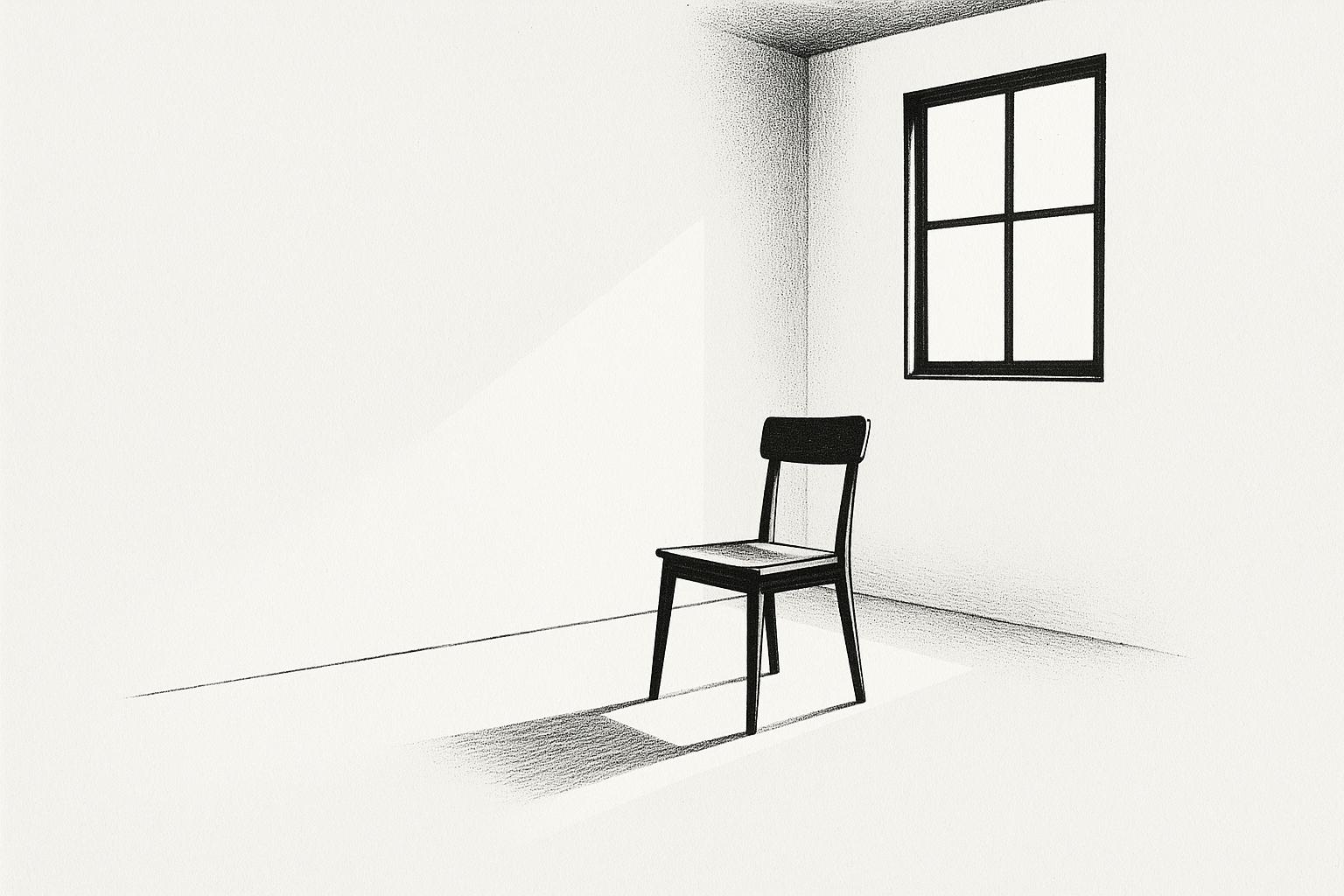
Constant news updates are draining your mental energy. The 24/7 news cycle and endless notifications can overwhelm your brain, triggering stress, anxiety, and poor sleep. Instead of keeping you informed, this habit often leaves you distracted and emotionally exhausted.
Here’s the solution: step back from the noise. Brief moments of silence and intentional breaks from news consumption can help you regain focus, lower stress, and improve decision-making.
Key Takeaways:
Why it matters: Overloading on news affects mental health, disrupts sleep, and increases anxiety.
The science: Negative news triggers stress hormones and rewires your brain to focus on fear.
How to fix it:
Turn off notifications and set limits on news consumption.
Replace scrolling with mindfulness practices like deep breathing or journaling.
Create phone-free zones and establish a "news curfew" before bed.
Silence isn’t about ignoring the world - it’s about reclaiming your mental space to focus on what truly matters.
Benefits of taking a digital detox
How Too Much News Hurts Your Mental Health
In our quest for peace of mind, it’s important to understand how overloading on news can take a serious toll on mental health. The constant flood of breaking news doesn’t just inform - it can overwhelm, rewiring your brain in ways that heighten anxiety, disrupt sleep, and leave you emotionally exhausted. The impact of excessive news consumption isn’t just a theory - it’s measurable and often more damaging than people realize.
Why Negative News Affects Your Brain
Every alarming headline or crisis report you consume triggers your brain’s fight-or-flight response. This releases stress hormones like adrenaline and cortisol, which can speed up your heart rate, disrupt your breathing, and even cause stomach discomfort [1][2][3].
According to a survey of 266 therapists by GrowTherapy, 99.6% agreed that watching or reading the news negatively impacts mental health [1][4].
Even a brief exposure - just 14 minutes of news - can amplify symptoms of anxiety and depression [1].
Our brains naturally focus on threats, a tendency known as negativity bias, which means bad news grabs our attention more than positive stories. Over time, this distorts our perception of reality, making the world seem far more dangerous and hopeless than it actually is [2][3][6].
For individuals in marginalized communities, such as BIPOC and LGBTQ+ populations, the emotional toll can be even greater. When news highlights violence or discriminatory policies, it can lead to more frequent poor mental health days for those directly affected [1].
The physical effects of prolonged stress from news exposure are just as concerning. Chronic stress can weaken your immune system, interfere with sleep, cause digestive issues, and lead to persistent muscle tension [2]. These physical strains create a cycle that further disrupts your ability to rest and focus.
How News Disrupts Sleep and Focus
Watching or reading the news late at night can make it nearly impossible to unwind. Troubling headlines and stories about global crises keep your mind racing, preventing the calm state needed for quality sleep. You might find yourself lying awake replaying distressing details or waking up in the middle of the night with your thoughts spinning.
During the day, constant news notifications wreak havoc on your ability to concentrate. Each alert pulls you away from what matters - whether it’s work, relationships, or personal goals. By June 2020, 83% of Americans reported stress about the nation’s future, and by March 2022, 73% felt overwhelmed by global crises [5]. This sense of being overwhelmed makes it even tougher to focus on your own priorities. And when you add in the distractions of social media, the problem only intensifies.
How Social Media Algorithms Amplify the Problem
Social media has turned news consumption into an addictive cycle. Platforms are designed to keep you scrolling, and their algorithms prioritize negative content because it generates more clicks, shares, and comments. A 2023 study found that headlines with negative language significantly boosted online engagement, particularly for topics like government and the economy [6].
These platforms rely on a reward system that encourages compulsive behavior, even when the content is distressing [1][3][5]. This phenomenon, often called “doomscrolling,” provides small bursts of brain stimulation with each update, keeping you hooked despite the emotional toll.
Today, more than half of Americans get their news from social media [1]. Unlike traditional news outlets, social media platforms prioritize engagement over accuracy or balance, meaning much of the content you see is curated to provoke an emotional reaction.
The visual nature of social media intensifies this effect. Graphic images, in particular, leave lasting impressions and trigger stronger emotional responses than text alone [3][4]. Even a single disturbing image can linger in your mind, amplifying emotional distress.
This constant stream of emotionally charged content erodes your resilience over time, making it harder to cope with everyday challenges [1][3][5]. For those already dealing with anxiety or depression, the relentless flow of negative news can fuel catastrophic thinking [3][4][6].
A study involving 6,595 participants aged 12 to 15 found that spending more than three hours per day on social media increased the risk of mental health issues like anxiety and depression [6]. The connection between excessive news consumption and declining mental health is becoming increasingly clear. Taking a step back from the noise is essential for finding balance and protecting your well-being.
What Silence Can Do for You
In a world where constant news updates can take a toll on your mental health, it’s worth exploring a simple yet powerful antidote: silence. Taking time each day to embrace quiet moments can help you recharge and find inner calm. It’s not just about escaping the noise - it’s about giving your mind the space it needs to reset.
How Silence Clears Your Mind
Every day, your brain is bombarded with information. Stepping back from the endless flow of news and notifications lets your mind catch its breath. This pause can ease stress and restore your emotional balance. In these quiet moments, your body’s natural calming mechanisms kick in, helping to lower tension and bring a sense of peace. Over time, this practice sharpens your mental clarity, making it easier to focus on what truly matters and filter out distractions. With a clearer mind, you’re better equipped to make thoughtful, deliberate decisions.
Silence also plays a key role in emotional regulation. Instead of being swept away by the constant emotional highs and lows triggered by news stories, you can learn to observe your feelings with greater detachment. This emotional steadiness can improve your relationships, sharpen your thinking, and lead to more intentional actions in your daily life.
How Stillness Boosts Thinking and Creativity
When your mind is still, something remarkable happens. Your brain’s default mode network - a system that becomes active during moments of rest - starts working behind the scenes. These quiet periods often lead to creative breakthroughs, whether it’s during a peaceful walk, a quick meditation, or even a shower. By giving your brain a break, you create the perfect conditions for fresh ideas to emerge.
Silence also enhances self-awareness. Quiet moments encourage self-reflection, helping you better understand your own thoughts and behaviors. This deeper awareness reduces impulsive reactions and fosters more thoughtful decision-making. Additionally, practicing quiet reflection strengthens metacognition - the ability to think about your own thinking - which allows you to respond to situations with greater intention and care.
What Research Says About Silence
Science backs up the benefits of silence. Research suggests that incorporating quiet time into your daily routine can lead to lasting improvements in brain health. For instance, studies have shown that silence may promote positive changes in areas of the brain linked to memory and learning. Other findings reveal that the brain processes silence differently than noise, entering states that support healing and regeneration.
During the early days of the COVID-19 pandemic, studies observed that people who reduced their news intake and embraced quiet moments reported better sleep, less anxiety, and a more positive outlook. Additional research from psychological experts has highlighted how regular periods of silence can help regulate stress hormones, contributing to overall well-being.
Unlike the fleeting relief of checking the latest headlines, the benefits of silence build gradually, offering lasting improvements in mental clarity, emotional balance, and overall quality of life. Quiet moments aren’t just a break from the noise - they’re an investment in your mental health and well-being.
How to Cut News Consumption and Find Silence
Breaking free from constant news updates takes time, but it's doable. Small, deliberate steps can help you reduce your news intake and carve out moments of peace. The key is to build habits that safeguard your mental health while keeping you reasonably informed.
Mindfulness Methods for Inner Calm
Deep breathing is a simple yet effective way to calm your mind. Try the 4-7-8 method: breathe in for 4 counts, hold your breath for 7 counts, and exhale slowly for 8 counts. This technique activates your parasympathetic nervous system, helping you shift from anxiety to relaxation.
Body scan meditation can help you tune into your physical sensations and quiet mental noise. Start at the top of your head and slowly work your way down, focusing on each part of your body. Spend 5–10 minutes noticing areas of tension or relaxation. This practice anchors you in the present moment, away from the endless stream of information.
Grounding techniques using your senses can also ease overwhelm. Try this simple exercise: identify five things you can see, four you can touch, three you can hear, two you can smell, and one you can taste. This sensory check-in keeps you rooted in your immediate surroundings, rather than the abstract world of global news.
Walking meditation blends movement with mindfulness. Find a quiet path and walk slowly, paying attention to the sensation of each step. If your mind wanders to news or worries, gently redirect your focus to the rhythm of your feet connecting with the ground.
Digital Detox Methods
Turn off news notifications. Those constant alerts can create a cycle of compulsive checking. Instead, set specific times for news - maybe 15 minutes in the morning and again in the evening. This approach helps you stay informed without being constantly distracted.
Establish phone-free zones in your home, especially in places like the bedroom or dining room. Charging your phone in another room overnight can prevent the temptation to scroll through news first thing in the morning or right before bed. This simple change can improve your sleep and reduce anxiety.
Use app timers to limit your time on news apps. Most smartphones offer screen time controls that allow you to set daily limits. Start with a manageable cap, like 30 minutes per day, and gradually reduce it as you adjust.
Unfollow news-heavy accounts on social media and replace them with accounts that share uplifting or educational content related to your hobbies or interests.
Set a "news curfew" by avoiding news consumption at least two hours before bedtime. This gives your mind a chance to wind down and process the day's events without adding new stress or anxiety.
Once you've minimized digital distractions, you can channel your energy into reflective practices like journaling.
Journaling for Self-Reflection
Morning pages are a great way to clear mental clutter. Write three pages of whatever comes to mind first thing in the morning. Popularized by Julia Cameron, this stream-of-consciousness exercise encourages deeper insights. Don’t worry about grammar or structure - just let your thoughts flow.
Gratitude journaling shifts your focus to positive aspects of your life. Each evening, jot down three specific things you're thankful for. Instead of vague entries like "my family", aim for detailed moments like "the way my daughter laughed at dinner tonight" or "feeling the warm sunshine on my walk."
Emotion tracking helps you understand how news consumption impacts your mood. Keep a log of your emotional state before and after reading the news. Rate your anxiety, stress, and overall mood on a scale of 1–10. Noticing patterns can motivate you to cut back when you see how it affects your well-being.
Weekly reflection prompts guide you toward deeper self-awareness. Questions like "What brought me joy this week?" or "What challenges did I face, and how did I handle them?" keep your focus on personal growth rather than external events.
Pausa's AI journaling app offers a modern twist on this practice. You can record thoughts via voice in just 20 seconds, and the app organizes your reflections into daily recaps. It even suggests actionable steps based on your entries and offers goal-tracking features. With options to journal via email or WhatsApp, Pausa makes it easy to stick with a regular routine.
Evening wind-down writing is another way to center yourself. Spend 10 minutes before bed reflecting on your day. Focus on your own experiences, observations, and interactions. This habit helps you end the day grounded in your personal life, rather than the chaos of the outside world.
Picking Tools for Long-Term Reflection
Once you've cut back on news distractions and given journaling a try, the next step is finding tools that make reflection a lasting habit. The secret to sticking with it lies in choosing tools that fit seamlessly into your life. Pick the wrong method, and journaling can start to feel like a chore. But with the right approach, it becomes a natural and rewarding part of your day.
Comparing Reflection Tools
Not all reflection methods work for everyone. The best choice depends on your time, preferences (writing or speaking), and comfort with technology.
Method | Pros | Cons | Best For |
|---|---|---|---|
Traditional pen and paper | No distractions, tactile experience, portable | Easy to lose, hard to search, time-consuming | Those who enjoy handwriting and want screen-free time |
Searchable, organized, often includes prompts | Screen time, potential distractions, learning curve | Tech-savvy users seeking structure and insights | |
Voice recordings | Quick, captures emotion, hands-free | Hard to review, takes up storage, privacy concerns | Busy individuals who think better out loud |
Guided meditation apps | Structured, expert-led, builds mindfulness | Less personal, subscription costs, generic | Beginners needing guidance and a starting point |
Each tool has its strengths. A pen and paper offer a distraction-free, screen-free experience but lack searchability. Voice recordings are fast and emotional but harder to revisit. Digital apps provide organization and insights but may feel overwhelming for those avoiding screens. The key is to pick something that feels natural and easy to use.
How Pausa Improves Reflection Habits
Pausa is designed to tackle the common challenges people face when trying to build a reflection habit. Its standout feature? A 20-second journaling option that lets you jot down your thoughts quickly - no overthinking or striving for perfection required.
The app’s AI-powered organization takes scattered notes and turns them into clear daily summaries. Instead of flipping through random entries, you'll see a concise overview of your mood, challenges, and accomplishments. This makes it easier to notice patterns and track your emotional well-being over time.
Pausa also adapts to your lifestyle with multiple input options. You can type when you're at your desk, record your voice while on a walk, or even send quick thoughts via email or WhatsApp. This flexibility ensures you can keep journaling, no matter how your day unfolds.
Another standout feature is the goal-tracking system. Rather than just venting about problems, Pausa helps you connect your reflections to actionable steps. It turns journaling into a tool for problem-solving and personal growth.
Weekly and monthly recaps offer a bigger-picture view of your mental and emotional state. For example, you might not realize your stress levels have been steadily rising until you see it laid out in a monthly summary. These insights help you make informed decisions about your well-being and priorities.
The iOS app syncs across devices, so your reflections are always accessible and securely stored. There's no need to worry about losing a notebook or forgetting to back up files - your thoughts are preserved and organized automatically.
For those trying to cut back on doomscrolling, Pausa offers a healthier alternative. Instead of diving into the latest headlines when anxiety strikes, you can quickly record your feelings in the app. Simply naming your emotions can reduce their intensity, helping you reclaim mental clarity and focus. By simplifying the reflection process, Pausa helps you take back control from the constant noise of the news cycle.
Conclusion: Finding Peace Through Silence
Constantly staying plugged into the 24/7 news cycle - whether it’s breaking stories, political drama, or social media updates - doesn’t necessarily make you more informed. What it often does is leave you feeling drained and overwhelmed. The antidote isn’t consuming more information; it’s carving out moments of quiet.
When you step away from the endless stream of updates, your mind has a chance to slow down. That mental pause clears the fog, helping you reconnect with your thoughts and focus on what truly matters in your life.
Silence isn’t a void - it’s an opportunity. Small changes in your daily habits can help you embrace it. For instance, turn off news alerts, swap scrolling for a short walk, or spend 20 seconds jotting down your thoughts in a journal. Simple digital detox practices - like limiting news checks to once a day or switching your phone to airplane mode during meals or before bed - can also make a big difference.
Your mental well-being is far more valuable than staying on top of every headline. Most news won’t directly affect your life, but the stress of always consuming it certainly can. Choosing silence over noise allows you to replace the chaos with clarity.
Incorporating mindful habits, like journaling or moments of reflection, strengthens the sense of calm that silence provides. The goal isn’t to achieve perfection but to make steady progress toward a more peaceful and focused state of mind.
In a world designed to pull your attention in every direction, prioritizing silence is an act of self-care that your future self will thank you for.
FAQs
What are some simple ways to embrace silence in my daily life to feel calmer and more focused?
Taking time for silence in your daily routine can be easier than you think - and it can make a big difference. Try starting small: pause for just two minutes during your day to focus on your breath and let your mind settle. Another idea? Turn your car into a quiet zone by skipping the radio or podcasts during your commute. If mornings work better for you, waking up slightly earlier than everyone else in your home can give you those precious moments of peace. Even a few minutes of meditation each day can help you find a sense of calm and sharpen your mental focus.
How can I reduce my news consumption without losing touch with important events?
To stay informed without being overwhelmed, try setting designated times during the day to check the news instead of constantly refreshing updates. Cut down on social media use to avoid endless scrolling and stick to reliable sources for your information. Pay attention to how much time you spend on news consumption, and make it a habit to take regular breaks to clear your mind. Incorporating mindfulness practices or diving into hobbies can also help you maintain a healthier balance while keeping up with current events.
How can practicing silence and mindfulness help with managing emotions and making better decisions?
Practicing silence and mindfulness allows you to tune into your emotions, giving you the chance to process them fully. This pause helps you respond with intention rather than reacting on impulse. The result? Decisions that are more balanced, guided by a clearer and more focused mindset.
On top of that, silence and mindfulness are powerful tools for easing stress and anxiety. By stepping back from the constant buzz of distractions, you create a moment to recharge. This quiet time fosters relaxation and a sense of inner calm, which not only improves emotional balance but also supports wiser decision-making.