
How Doomscrolling Quietly Rewires Your Brain
Nov 11, 2025
Doomscrolling can rewire your brain, affect mental health, and disrupt daily life. Learn to identify and break this harmful habit.
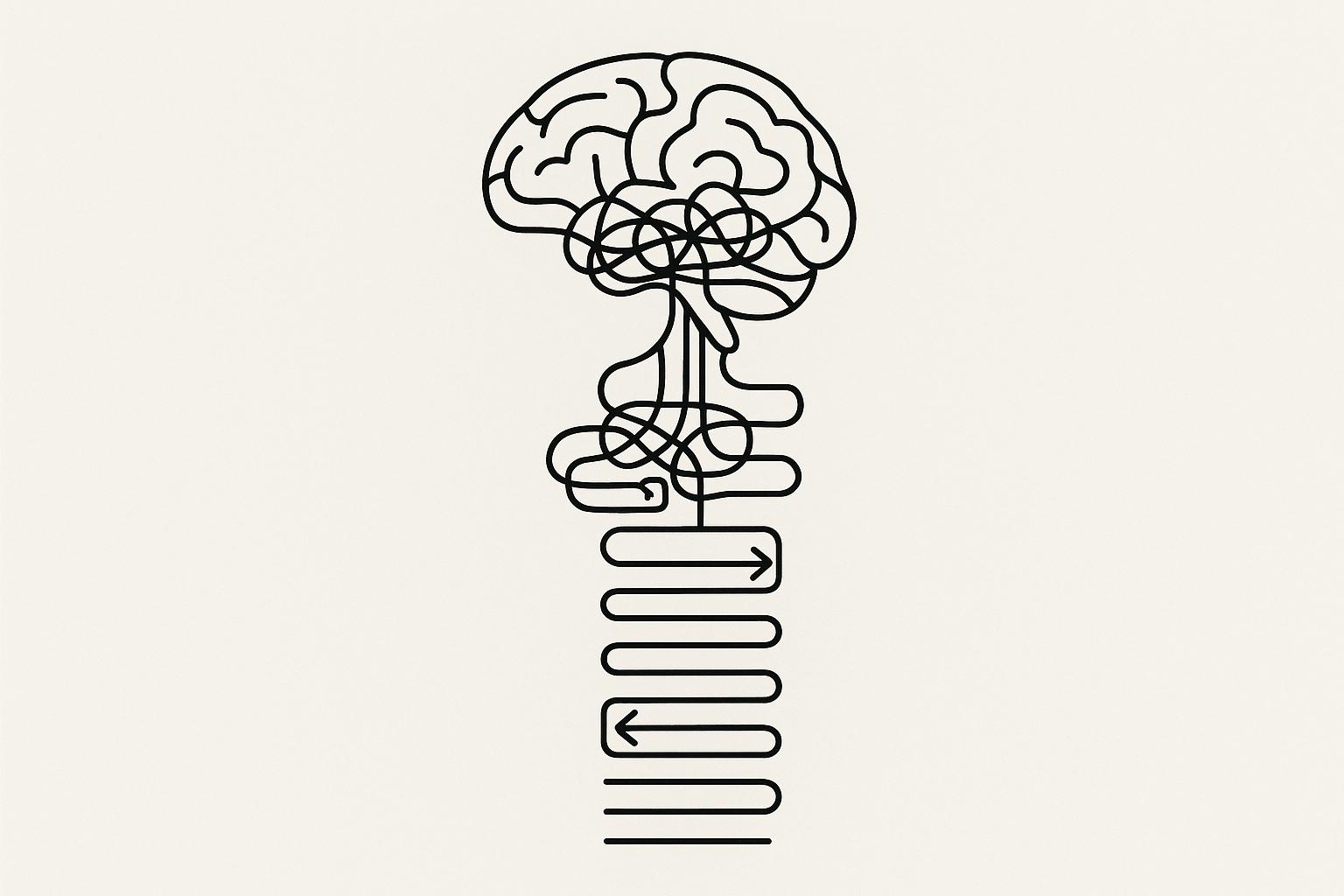
Doomscrolling - the endless consumption of negative online content - can harm your brain and overall well-being. It’s not just about feeling anxious or overwhelmed; this habit can rewire your brain, making you crave more distressing news and struggle with focus, memory, and emotional balance. Over time, it affects your mental health, disrupts sleep, and even causes physical discomfort like headaches or tension.
Here’s what you need to know:
Why it happens: Smartphones and social media algorithms encourage addictive scrolling behaviors by rewarding you with dopamine, even when content is distressing.
What it does: It changes your brain’s pathways, disrupts attention, and weakens emotional regulation, leaving you anxious and less effective in daily life.
How to stop: Set screen time limits, avoid phones in the morning, track habits with tools like Pausa, and replace scrolling with healthier activities like walking or connecting with others.
Breaking free from doomscrolling starts with awareness and small, intentional changes. This guide explains how to regain control of your screen time and improve your relationship with technology.
The disturbing neuroscience behind Doomscrolling and Brain Rot
How Doomscrolling Changes Your Brain
Spending endless hours scrolling through distressing news and updates doesn't just affect your mood - it can actually change how your brain works. Over time, this habit can influence how you process information, manage stress, and regulate emotions.
Here’s a closer look at three major ways doomscrolling impacts your brain: shifts in dopamine activity, changes to brain pathways, and challenges with emotional regulation.
Dopamine Loops and the Cycle of Scrolling
Every time you interact with digital content, your brain releases dopamine, a chemical tied to feelings of reward and pleasure. This response creates a feedback loop, encouraging you to keep checking for updates, whether the news is good or bad. The unpredictability of what you'll find next makes it even more addictive, fueling the urge to scroll endlessly in search of new information.
Changes in Brain Pathways and Cognitive Abilities
Constant exposure to negative content doesn’t just weigh on your mood - it can actually disrupt key mental functions like attention, memory, and decision-making. Over time, the stress from consuming distressing information can make it harder to focus, retain details, or think clearly. Essentially, doomscrolling can scatter your mental energy, leaving you less effective in processing new information.
Emotional Regulation Takes a Hit
When your brain is bombarded with negativity, it becomes harder to maintain emotional balance. You might find yourself feeling more anxious, irritable, or overwhelmed, with less capacity to savor positive experiences. Over time, this emotional strain can leave you more reactive and less equipped to handle everyday challenges with a calm, steady mindset.
Mental and Physical Effects of Doomscrolling
Doomscrolling doesn’t just affect your mind - it takes a toll on your body too. Spending extended periods consuming distressing digital content can lead to physical issues like headaches, muscle tension, neck and shoulder pain, reduced appetite, and even high blood pressure [1]. On top of that, it often disrupts sleep, leaving you mentally drained. Over time, these symptoms can create a vicious cycle that makes it harder to get through your day.
How to Spot Your Doomscrolling Habits
Recognizing doomscrolling in your own behavior can be a challenge. It often disguises itself as staying informed or being productive, making it easy to overlook when casual news browsing turns into endless scrolling through negative content. Spotting these habits is the first step toward taking back control of your screen time.
Warning Signs of Doomscrolling
Start by paying attention to the physical and emotional signals that suggest your scrolling has become compulsive.
One clear red flag is repetitive refreshing - you find yourself checking news feeds, social media, or apps over and over, even if you just looked a few minutes ago. This behavior often feels automatic, like a reflex.
Another sign is time distortion. You might sit down to quickly check the news, only to realize 45 minutes - or more - has flown by. Content draws you into a rabbit hole of related articles and posts, each one more distressing than the last.
Physical and emotional tension can also be a giveaway. After scrolling, you may feel anxious, overwhelmed, or notice physical discomfort like tight shoulders, a clenched jaw, or a knot in your stomach. Some people even develop "tech neck" from hunching over their devices for too long.
Evening doomscrolling can lead to sleep disruption. The combination of blue light and upsetting content makes it harder to relax, delaying sleep or causing restless nights filled with worry.
Questions to Ask Yourself
Self-reflection can help uncover habits you might not realize you have. Start by questioning your motivation for using your device. Are you picking it up with a clear purpose, or is it more about boredom, anxiety, or habit?
Look at your consumption patterns. How many times a day are you checking news or social media? If it’s more than three or four, you could be edging into doomscrolling territory.
Think about how the content affects you emotionally. Does reading the news feel like a duty or an obligation? Do you feel guilty when you don’t check for updates? These feelings might suggest that staying informed has shifted from healthy curiosity to anxious compulsion.
Finally, assess your ability to disengage. Can you easily put your phone down after catching up on the news, or do you feel compelled to keep scrolling? Healthy news habits have natural stopping points, but doomscrolling creates an endless loop of “just one more” article or update. Recognizing these patterns can help you see when staying informed starts to harm your well-being.
The False Sense of Staying Informed
A common excuse for doomscrolling is the belief that it’s a responsible way to stay informed. But real information gathering is intentional and focused - you check reliable news sources once or twice a day, read articles for context, and move on feeling up-to-date. Doomscrolling, on the other hand, pretends to be productive but leaves you feeling stuck, overwhelmed, and disconnected. It creates an illusion of staying informed while offering little in return, draining your energy instead of empowering you to engage with the world.
How to Stop Doomscrolling
Breaking the cycle of doomscrolling takes deliberate effort and practical strategies that address both the habit itself and the reasons behind it. With a mindful approach, you can retrain your brain to interact with digital content in a healthier way and regain control over your screen time. These methods can help undo the mental patterns created by excessive doomscrolling.
Mindfulness and Screen Break Techniques
When you notice yourself endlessly scrolling, pay attention to physical signs like tension in your body or shallow breathing. These cues can help you pause and break the automatic habit. Before diving into your feed, ask yourself: "Is this going to be helpful or uplifting?" This simple question can steer you away from passively consuming negative content.
Set clear limits on your screen time. For example, designate specific times - like 10 minutes in the morning and 15 minutes in the evening - to check the news. Use a timer and make it a point to stop once the timer goes off.
Start your day with a "low-dopamine morning" by avoiding screens for at least 30 minutes after waking up. This practice can help you start the day on a calmer note, free from the stress of immediate bad news or overwhelming information.
"If you feel worse, pay attention to that." - Craig N. Sawchuk, Ph.D., L.P., Psychologist, Mayo Clinic [2]
Regular mood check-ins while scrolling can be a game-changer. Pause every 5 to 10 minutes to assess how you're feeling. If your mood begins to dip, it's a sign that it's time to stop and shift to another activity.
Establishing digital boundaries can also help. Keep your phone out of reach in areas like your bedroom, workspace, or dining table. Disable social media notifications to reduce interruptions, and consider switching your phone to grayscale mode to make scrolling less visually stimulating.
Tracking Habits with AI Journaling
In addition to taking breaks, tracking your scrolling habits can help you understand the emotional triggers that fuel them. Tools like Pausa's AI journaling make it easy to log your thoughts and behaviors in just 20 seconds, whether through text or voice input. This can help you identify patterns - like increased scrolling on stressful or lonely days - and take steps to address them.
Daily summaries from tools like Pausa can reveal how your scrolling affects your mood and productivity. Recognizing these patterns is a powerful first step toward making more intentional choices about your screen time.
Goal-setting features in the app allow you to create specific plans for your digital habits. For instance, you might commit to checking the news only twice a day or replacing evening scrolling with reading. Journaling your progress can highlight the difference between purposeful information gathering and the empty cycle of endless scrolling.
Daily Strategies to Cut Back on Doomscrolling
To complement screen breaks and habit tracking, incorporate simple daily strategies to reshape your digital routine. Start by curating your newsfeed. Follow accounts that share educational, uplifting, or positive content, and consider unfollowing sources that focus on alarming headlines. This can help create a more balanced and less stressful online experience.
Physical activity can be a great antidote to the urge to scroll. When you feel the pull, try going for a short walk, stretching, or doing any quick physical task to reset your focus.
Plan alternative activities ahead of time. Keep a list of engaging options - like calling a friend, working on a puzzle, or practicing a hobby - so you'll have something ready to turn to when boredom or anxiety tempts you back to your phone.
If breaking the habit feels especially tough, create a physical barrier by putting your phone in another room or tucking it away in a drawer. Sometimes, out of sight really does mean out of mind.
Dr. Richard Mollica, Professor of Psychiatry at Harvard Medical School, highlights the importance of connecting with others:
"You need to share positive emotional experiences with others." [1]
Instead of scrolling alone, try fostering meaningful social interactions. Whether it’s meeting a friend in person, chatting over the phone, or connecting via video call, these moments of genuine connection can fulfill the need for interaction that doomscrolling never truly satisfies.
Finally, practice intentional phone use. Before reaching for your device, pause and ask yourself: "Am I looking for something specific, responding to a message, or just acting out of habit?" This moment of reflection can help you avoid unnecessary scrolling and stay in control of your digital habits.
Technology Tools for Better Digital Habits
Breaking the doomscrolling habit isn’t just about willpower - having the right tools can make the process easier and more sustainable. Digital wellness apps can help you better understand your habits, set achievable goals, and track your progress. By creating awareness around your phone usage and providing gentle reminders, these tools encourage healthier behaviors. When used effectively, technology can even help counteract the brain’s tendency to fall into doomscrolling patterns. This approach builds on earlier strategies by offering continuous insights into your digital habits.
How Pausa Encourages Mindful Phone Use
Pausa is designed to interrupt the doomscrolling cycle through quick, reflective journaling. With just 20 seconds, you can record your thoughts using text or voice, making it easy to log how you’re feeling in the moment.
The app uses AI to turn your entries into concise summaries, allowing you to review your digital habits with clarity. For instance, you might notice patterns, like scrolling more frequently on days when you feel anxious or disconnected.
Pausa also offers flexibility, letting you reflect and record from anywhere. Beyond daily recaps, the app provides weekly, monthly, and even yearly summaries, giving you a long-term view of your behavior. These insights can help you regain control over how you engage with technology.
Gaining Insight Through Daily Reflection
Daily reflection is a powerful way to change habits, including doomscrolling. It goes beyond journaling by building a deeper awareness of your patterns. By consistently examining your thoughts and actions, you can uncover subtle triggers behind your behaviors. Pausa’s AI-driven insights provide structured reflections, which can make this process more effective than traditional journaling.
The app’s summaries - spanning weeks, months, and years - help you spot trends you might otherwise miss. For example, you might realize that your scrolling spikes during times of stress or when your routine changes. Over time, this reflection helps you see whether your scrolling is purely habitual or tied to deeper emotional responses. With this awareness, you can start to make intentional changes to your digital habits.
Changing Habits with Goal Tracking
Setting clear, measurable goals is key to breaking the doomscrolling cycle, and Pausa’s goal tracking feature makes this straightforward. You can set limits, such as checking the news only twice a day, and track your progress through daily summaries.
Pausa’s to-do feature bridges reflection and action by turning your insights into specific steps you can take. By integrating goal tracking with your daily reflections, the app helps you fine-tune your strategies and stay on track. This combination of reflection and action strengthens your ability to take control of your digital habits and create a healthier relationship with technology.
Taking Back Control of Your Screen Time
Doomscrolling isn’t just a time-waster - it can actually rewire how your brain responds to digital content. That constant stream of negativity forms habits that dull your focus and mess with your emotional balance. Instead of staying informed, you might find yourself stuck in a cycle of unhealthy scrolling patterns.
The first step to breaking free is recognizing these automatic behaviors. When you notice that your scrolling is driven more by habit than a real need for information, you can start making deliberate choices. This shift in awareness turns mindless scrolling into intentional action. From there, you can implement specific strategies to break the cycle.
One simple but effective change is switching your phone to grayscale. Studies suggest that grayscale screens "remove positive reinforcements" [4], making your device less visually appealing and reducing the urge to scroll aimlessly.
Setting boundaries is another key strategy. Tools like Pausa can help by tracking your screen time and sending reminders to step away. These tools act as a reality check, showing you how much time you actually spend on your phone. This insight encourages healthier habits and helps you regain a sense of balance [3].
In addition, journaling and setting goals can give you more control over your digital habits. Over time, these practices can sharpen your focus, improve emotional regulation, and enhance your overall well-being - provided you stay consistent.
Taking back control doesn’t mean abandoning technology altogether. It’s about using it with intention - staying informed without falling into endless scrolling. By replacing harmful patterns with mindful habits, you can help your brain recover and thrive while still engaging with the digital world.
FAQs
How do I know if I’m doomscrolling instead of just staying informed?
If scrolling through news or social media leaves you feeling anxious, overwhelmed, or upset, you might be experiencing doomscrolling. It’s also common to notice patterns like compulsively checking for updates, sacrificing sleep, or ignoring other activities just to stay glued to your screen.
Take a moment to reflect on how digital content affects you. If it’s disrupting your mood, concentration, or daily life, it may be time to establish healthier habits and reduce exposure to negative content.
How can I stop doomscrolling and build healthier online habits?
Breaking free from the habit of doomscrolling begins with making small but deliberate adjustments to your daily routine. Start by setting time limits on social media or news apps, and turn off non-essential notifications to minimize distractions. Consider creating "no-phone" zones - like during meals or before bedtime - to establish clear boundaries for screen use.
Take control of your digital space by following content that inspires or educates you, and unfollow accounts or sources that fuel stress or negativity. Swap scrolling for healthier activities, such as reading a book, going for a walk, or practicing mindfulness. These simple steps can help you reclaim your time and build a more balanced relationship with technology.
How does doomscrolling impact my mental health and brain function?
Doomscrolling can have a profound impact on your mental health, often amplifying feelings of anxiety, stress, and even hopelessness. Over time, being constantly immersed in negative news can lead to deeper issues like depression or emotional burnout. It can also interfere with your ability to focus, making it difficult to stay engaged or present in your daily life.
Physically, this habit isn’t harmless either. Spending long hours glued to your screen can disrupt your sleep, trigger headaches, and cause muscle tension from staying in one position for too long. These physical and mental effects often create a vicious cycle - poor mental health can worsen physical discomfort, and vice versa - making it even tougher to break free. The key to change starts with recognizing these patterns and taking steps toward healthier online habits.